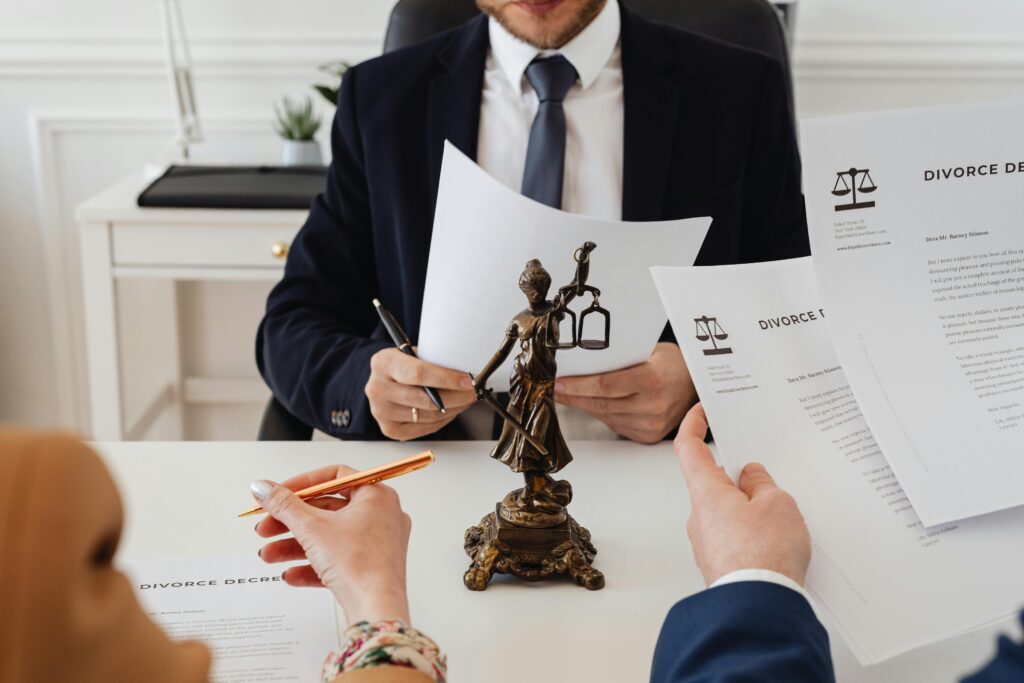
Let’s be real: Nobody wakes up thinking, “You know what would be fun today? Hiring a personal injury attorney.” But if you’re reading this, chances are you’re tired, frustrated, and not sure where to start. Here’s the good news: Find a Good Personal Injury Attorney in 2026 is actually easier than it was five years ago. The bad news? You still have to ignore a mountain of billboards and cheesy TV ads to do it.
Here is exactly How to Find a Good Personal Injury Attorney in 2026
6 Steps to Find a Personal Injury Attorney Who Actually Cares
Let’s be honest—most lawyers just want to close your case fast and cash their cut. These six steps will help you find a good personal injury Attorney, the rare ones who still treat you like a person, not a settlement check.
Step 1: Ignore the Billboards (Seriously)
That guy with the cowboy hat and the 1-800-GET-PAID sign is everywhere. You’ve seen him on bus benches, YouTube pre-roll ads, and even those little TV screens at gas pumps. These firms spend millions making sure you recognize their face before you recognize their name. But here’s the dirty secret of 2026: Those huge firms spend 60-70% of your settlement on advertising, staff salaries, and office rent. That means less money in your pocket.
You don’t get a better lawyer when you hire a billboard firm. You get a better marketing department. The actual attorney handling your case might be fresh out of law school, buried under 200 other cases, or worst of all not even a trial lawyer. Many of these firms settle everything fast because they don’t have the resources to actually go to court.
Instead, ask your physical therapist. Ask your neighbor who’s a nurse. Ask your barber. Ask your coworker who got rear-ended last year. The best personal injury attorneys in 2026 don’t need billboards they get referrals from chiropractors, ER docs, and former clients who actually liked them. If a lawyer has been practicing for fifteen years and still relies on billboards to find work, that tells you everything you need to know.
Step 2: The “Text First” Test
This is new for 2026 to Find a Good Personal Injury Attorney in 2026. Remember five years ago when calling a law firm meant sitting on hold listening to elevator music for twenty minutes? Those days are gone. But the replacement isn’t always better. When you call a law firm now, half of them use AI receptionists. Nothing against robots they’re efficient but when your back hurts, when you haven’t slept in three days, and when you just want to talk to a real person, you don’t want to talk to a chatbot named “Sophia” that keeps asking you to repeat your phone number.
So try this instead: Text law firms first. Send a simple message like, “Hey, I was in an accident. Do you handle (car crash/slip and fall/whatever happened) cases? Can I talk to someone real?”
Why does this work as a test? Because how a firm handles a simple text message tells you how they’ll handle your entire case. If they reply within twenty minutes with an actual human name and a clear next step, that means they have systems in place and they respect your time. If they send an automated link to a twelve-page intake form, that means you’re just a data entry ticket to them. If they don’t reply for two days, imagine how long they’ll take to return your call when the insurance company lowballs you.
The good ones reply fast, keep it simple, and offer to call you back at a specific time. The bad ones treat you like a lead generation form. Hang up (or close the chat) on those.
Step 3: Ask About AI To Find a Good Personal Injury Attorney in 2026
This might sound weird, but hear it out. In 2026 it is the best tests To Find a Good Personal Injury Attorney in 2026, even small firms are using AI to review medical records, summarize depositions, and research case law. That’s not necessarily a bad thing. AI can catch things humans miss—like a hidden contradiction in a police report or a billing error in a five-hundred-page medical record.
But here’s where it gets tricky. Some firms are now using AI to draft demand letters, write settlement negotiation scripts, and even respond to client emails. You don’t want that. You want a human who actually reads your medical chart and understands that you haven’t been able to play with your kids for three months because your shoulder doesn’t work right.
So ask this question on the initial call: “Are you actually reviewing my case personally, or is an AI drafting most of my paperwork?”
A good attorney will laugh and say something like, “Great question. I use AI to organize medical bills because that’s boring and robots are good at boring. But I write every demand letter myself. I review every offer. And I’m the one who calls you back.” That’s the right answer. A bad attorney will get weirdly defensive or say something vague like, “Our technology handles the heavy lifting.” That’s code for “a robot is doing your legal work while I collect my paycheck.”
Trust your gut here. You want a human who uses AI as a tool, not a lawyer who lets AI be the lawyer.

Step 4: Look for the “Weird” Reviews
Everyone has 5-star reviews that say “They got me paid!” That’s useless. Of course they got paid—that’s the bare minimum of the job. Those reviews are often fake anyway. Law firms know how to game Google reviews. They ask their happiest clients (who just got a check) to leave a review immediately, and they conveniently forget to ask the clients who waited eight months with no updates.
So skip the five-star reviews entirely. Instead, look for the three and four-star reviews. Specifically, look for reviews that mention communication and transparency not just results.
Look for lines like these:
- “Other firms wanted to send me to their expensive ‘preferred’ doctor. Mine said, ‘Let’s find someone who actually takes your insurance.’ That saved me weeks of stress.”
- “My lawyer called me on a Sunday night to explain why a settlement offer was bad. She didn’t have to. She just knew I was anxious.”
- “They didn’t promise me the world. They told me straight up, ‘This could take a year, and we might only get X amount.’ I appreciated the honesty even when it wasn’t what I wanted to hear.”
- “The paralegal remembered my name every single time I called. That sounds small, but after dealing with three other firms where I felt like a case number, this mattered.”
That’s gold. That’s a human being who cares, not a settlement mill. If you can’t find reviews like these—if every review is just “they got me a check fast”—that’s a red flag. Fast settlements usually mean low settlements.
Step 5: Read the “No Win, No Fee” Fine Print
You already know personal injury lawyers work on contingency. That means they only get paid if you win. Most people think that means the lawyer takes 33% and you keep the rest. Simple, right? Wrong.
In 2026, the fine print has gotten sneakier. Law firms have figured out that clients don’t read contracts carefully when they’re injured and desperate. So they’ve started adding line items that slowly eat away your share of the settlement.
Here are the hidden fees you need to watch for:
- Technology fees – Some firms now charge 500 to 2,000 for “case management software” or “AI processing fees.” That’s absurd. That’s just the cost of doing business.
- Administrative fees – Charges for printing, scanning, postage, courier services, and even parking. A good lawyer eats these costs. A bad line item.
- Expert witness fees – Yes, experts cost money. But some firms make you pay these upfront or deduct them before calculating their percentage. That means you’re paying 100% of the expert cost plus 33% of the settlement on top of that.
- Medical record retrieval fees – Some charge you $50 per request. Over the course of a case, this can add up to hundreds of dollars.
Before signing anything, ask this exact question: “Can you show me on paper exactly what percentage comes off the top before you calculate your fee? And can you list every single fee I might be charged, even if I lose?”
A good attorney will pull out a clear, one-page fee agreement and walk you through it line by line. They’ll say, “You pay nothing unless we win. And when we win, you pay X%. That’s it. No hidden fees.”
A shady one will say, *”Don’t worry about that yet. Let’s just get you signed up.” Or they’ll mumble something about “standard industry fees.” Run. Do not walk. Run.
Step 6: Do the Parking Lot Test To Find a Good Personal Injury Attorney in 2026
After narrowing it down to two lawyers, do something simple that almost nobody thinks to do. Just go sit in their parking lot for ten minutes. You’re not creeping—you’re observing. You’re gathering data that no website or phone call can give you.
Here’s what you’re looking for:
First, look at the office itself. Is it easy to find? Is the parking lot full of potholes? Is the building well-maintained or falling apart? A lawyer who can’t keep their own office in decent shape probably won’t fight hard for your case. On the flip side, be careful of the fancy high-rise office with marble floors and a waterfall wall. Someone is paying for that luxury, and it’s probably you.
Second, watch how the staff treats people. Does the receptionist smile and hold the door? Or do they stare at their phone while someone struggles with a heavy door and an injured arm? If the receptionist is yelling at a delivery driver or rolling their eyes at a client walking in, rule that firm out immediately. If they act like that in public, they act worse in private.
Third, look for signs of chaos. Are clients waiting outside because there’s no seating inside? Is there a pile of unopened mail visible through the window? Does the sign on the door look like it hasn’t been updated since 2019? Chaos in the physical office usually means chaos in case management.
Fourth, trust your gut. You don’t need a logical reason to rule someone out. If something feels off—if the vibe is weird, if the office gives you a headache, if the parking lot gives you a bad feeling—move on. Your instincts exist for a reason.
This step sounds silly, but people who skip it often regret it. The parking lot test has saved more people from bad lawyers than any online review ever could.
The Bottom Line
In 2026, technology has made it easier to find lawyers, but harder to find good humans. The billboards are louder. The AI is faster. The contracts are sneakier. But the outcome still comes down to one thing: whether your lawyer actually gives a damn about you.
Don’t be in a rush. A bad lawyer can actually make your situation worse—dragging out your case, missing deadlines, or pushing you into a low settlement just to get paid faster. A good lawyer will tell you no when no is the right answer. A good lawyer will call you back on a Sunday because they remember what it felt like to be scared and confused.
So take a breath. Ask the dumb questions. Read the fine print. Visit the parking lot. Trust your gut. And whatever you do—don’t just hire the first name on Google.
You’ve been through enough already. You deserve someone who actually cares.